Managing purchases efficiently is essential for businesses that want to control costs, maintain accurate records, and build strong supplier relationships. As companies handle more vendors, products, and transactions, traditional purchase order processes can become slow and difficult to manage. Manual paperwork, spreadsheets, email approvals, and scattered records often create unnecessary delays and errors. This is where purchase order management software can make a significant difference.
What Is Purchase Order Management Software?
Purchase order management software is a digital solution designed to simplify the complete purchase order lifecycle. It helps businesses create, approve, track, manage, and close purchase orders from a centralized platform. Instead of depending on paper documents or multiple spreadsheets, procurement teams can manage purchasing activities digitally.
The software provides better visibility into purchase requests, supplier information, order status, quantities, pricing, and approvals. This makes it easier for businesses to maintain an organized procurement process while reducing administrative work.
Why Businesses Need Better Purchase Order Management
Purchase orders are an important part of business procurement. They help organizations communicate purchasing requirements to suppliers and establish a clear record of what has been ordered. However, managing these documents manually can lead to common problems.
Employees may enter incorrect quantities, forget approval steps, lose documents, or struggle to determine whether an order has been received. These issues can affect inventory planning, cash flow, supplier relationships, and overall productivity.
With purchase order management software, businesses can standardize their procurement workflows. Automated processes help reduce repetitive tasks and provide employees with quick access to relevant purchasing information.
Key Features to Look For
A reliable purchase order solution should provide features that support the entire purchasing process. Some important capabilities include:
Purchase Order Creation: Teams can quickly generate purchase orders using predefined templates and required information.
Approval Workflows: Businesses can establish approval rules based on departments, order values, or management levels. This helps ensure purchases are reviewed before they are finalized.
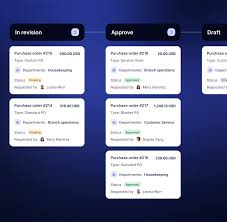
Order Tracking: Users can monitor purchase orders from creation through approval, supplier confirmation, delivery, and completion.
Supplier Management: Centralized supplier information makes it easier to maintain vendor details, pricing information, and purchasing history.
Document Management: Purchase orders, invoices, quotations, and related documents can be stored digitally for easier access.
Notifications and Alerts: Automated reminders can notify employees about pending approvals, delayed orders, or other important procurement activities.
Reporting and Analytics: Procurement reports can help businesses understand spending patterns, supplier performance, purchasing volumes, and outstanding orders.
Benefits for Growing Businesses
One of the biggest advantages of purchase order management software is improved efficiency. Employees spend less time preparing documents, checking spreadsheets, and searching through emails. Automated workflows allow teams to focus on more strategic procurement activities.
The software can also improve accuracy. Standardized purchase order templates and automated data handling reduce the risk of duplicate orders, incorrect information, and missing details.
Better visibility is another major benefit. Managers can see which purchases are pending, approved, received, or delayed. This makes it easier to make timely decisions and maintain control over business spending.
For growing companies, digital purchase order management can also improve scalability. As the number of suppliers and transactions increases, businesses can continue managing procurement without adding excessive administrative workload.
Improving Supplier Relationships
Efficient purchasing processes can contribute to stronger supplier relationships. Clear purchase orders provide vendors with accurate information about product requirements, quantities, prices, and delivery expectations.
When businesses can quickly access order histories and respond to supplier questions, communication becomes easier. Tracking capabilities can also help procurement teams identify delays and address issues before they affect operations.
Supporting Better Financial Control
Purchase order management is closely connected to financial planning. When organizations have better visibility into committed purchases, they can make more informed budgeting decisions.
A centralized system can help companies compare purchase orders with invoices and deliveries, making it easier to identify discrepancies. This can reduce unnecessary spending and help organizations maintain stronger financial controls.
Choosing the Right Software
When selecting purchase order management software, businesses should consider their size, procurement workflow, number of suppliers, and integration requirements. The system should be easy for employees to use and flexible enough to accommodate different approval structures.
Integration with accounting, inventory, ERP, CRM, or other business systems can also be valuable. A connected technology environment reduces duplicate data entry and provides a more complete view of business operations.
Security should also be considered. Procurement information may include sensitive supplier and financial data, so organizations should evaluate user permissions, data protection, backups, and access controls.
Conclusion
Modern businesses need procurement processes that are accurate, transparent, and easy to scale. Purchase order management software provides a practical way to digitize purchasing workflows, automate approvals, track orders, manage suppliers, and improve spending visibility.
By replacing manual processes with centralized digital management, companies can reduce errors, save administrative time, and gain better control over procurement. Whether used by a small business or a growing enterprise, the right purchase order solution can create a more organized and efficient purchasing environment.