Live fish handling is a critical process within the fisheries, aquaculture, and seafood supply chain industries. From capture or harvest to transport, grading, processing, and release or sale, the way live fish are handled directly affects fish welfare, survival rates, product quality, and economic outcomes. Poor handling practices can lead to stress, injury, disease outbreaks, and high mortality, while proper live fish handling ensures healthy stock, better yields, and compliance with regulatory and ethical standards.
In recent years, growing awareness of animal welfare, sustainability, and food quality has increased the importance of effective live fish handling techniques. Advances in technology, automation, and scientific understanding have transformed traditional methods into more controlled, humane, and efficient systems. This article provides an in-depth overview of live fish handling, including principles, methods, equipment, challenges, technological innovations, and future trends, while clearly addressing essential keywords relevant to the topic.
Understanding Live Fish Handling
Live fish handling refers to all activities involved in managing fish while they are alive, including capture, sorting, transfer, transport, holding, and preparation for processing or sale. The primary objective of live fish handling is to minimize stress and physical damage while maintaining optimal water quality and environmental conditions.
Fish are highly sensitive to changes in temperature, oxygen levels, salinity, noise, and physical contact. Improper handling can trigger stress responses that weaken immune systems, reduce growth performance, and increase mortality. Therefore, effective live fish handling is both a biological and operational discipline that combines fish physiology, equipment design, and skilled management.
Importance of Live Fish Handling
The significance of live fish handling extends across multiple dimensions of the seafood industry. Maintaining fish welfare is a fundamental goal of live fish handling. Gentle handling techniques reduce injuries, scale loss, and stress-induced mortality. Healthy fish are more resilient to transport and processing, ensuring higher survival rates. In markets where fish are sold live or processed shortly after harvest, handling quality directly impacts flesh texture, color, and shelf life. Reduced stress during live fish handling leads to better-quality end products.
High mortality and poor condition result in financial losses. Efficient live fish handling minimizes waste, improves yield, and enhances overall profitability. Many regions enforce strict regulations related to animal welfare and sustainable fishing practices. Proper live fish handling supports compliance with these standards and promotes responsible resource management.
Key Principles of Effective Live Fish Handling
Successful live fish handling is guided by several core principles. Stress reduction is central to live fish handling. This includes limiting air exposure, avoiding overcrowding, and reducing sudden movements or loud noises. Calm, controlled environments help maintain stable physiological conditions. Water quality management is a cornerstone of live fish handling. Parameters such as dissolved oxygen, temperature, pH, and ammonia levels must be continuously monitored and controlled. Poor water quality quickly leads to stress and mortality.
Physical contact should be minimized whenever possible. When necessary, fish should be handled using smooth surfaces, soft nets, or water-filled transfer systems to prevent injury. Different species have unique tolerance levels and behavioral responses. Effective live fish handling systems are designed with species-specific requirements in mind.
Methods of Live Fish Handling
Live fish handling methods vary depending on the scale of operation, species, and purpose. Manual live fish handling involves human operators using nets, containers, or hand transfer techniques. While flexible, this method is labor-intensive and prone to inconsistency if not performed by trained personnel. Mechanical systems such as pumps, conveyors, and grading machines are widely used in modern aquaculture and fisheries. These systems reduce direct human contact and improve consistency in live fish handling.
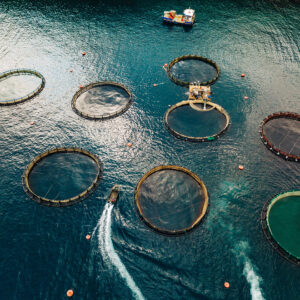
Water-based transfer systems move fish through pipes or channels filled with water. This approach significantly reduces air exposure and physical stress, making it one of the most effective live fish handling methods.
Equipment Used in Live Fish Handling
Modern live fish handling relies on specialized equipment designed to support fish welfare and operational efficiency. Live fish pumps gently transport fish using controlled water flow. These pumps are commonly used during harvesting and transfer operations.
Holding tanks and cages provide temporary environments where fish can recover from handling stress. Proper aeration and water circulation are essential in these systems. Automated grading machines separate fish by size or weight while maintaining gentle handling. These machines improve uniformity and reduce manual labor. Oxygenation and filtration equipment ensure stable water conditions during live fish handling, especially during transport and storage.
Live Fish Handling in Aquaculture
In aquaculture operations, live fish handling is a routine activity throughout the production cycle. From stocking fingerlings to harvesting market-size fish, careful handling supports growth performance and health management. Automated feeding, grading, and harvesting systems have significantly improved live fish handling in aquaculture. These technologies reduce stress, lower labor requirements, and enable precise control over environmental conditions.
Live Fish Handling in Capture Fisheries
Capture fisheries present unique challenges for live fish handling due to variable conditions at sea. Techniques such as live wells, onboard circulation systems, and selective gear help maintain fish viability. For catch-and-release fisheries, proper live fish handling is essential to ensure post-release survival. This includes minimizing handling time, using barbless hooks, and keeping fish in water whenever possible.
Challenges in Live Fish Handling
Despite technological advances, live fish handling remains complex. Variability in fish size, behavior, and health can affect handling outcomes. Equipment malfunctions, poor water quality management, and inadequate staff training also pose risks. Additionally, balancing efficiency with welfare requires continuous monitoring and adaptation.
Technological Innovations in Live Fish Handling
Technology is transforming live fish handling practices. Automated and robotic systems reduce human error and physical stress on fish. Intelligent handling systems adjust speed, pressure, and flow based on real-time data. Sensors for oxygen, temperature, and biomass enable precise control of live fish handling environments. Data-driven systems improve responsiveness and decision-making. AI-powered analytics help predict stress levels, optimize handling parameters, and improve overall system performance in live fish handling operations.
Sustainability and Ethical Considerations
Sustainable live fish handling focuses on minimizing mortality, reducing waste, and promoting responsible practices. Ethical considerations emphasize humane treatment and alignment with global animal welfare standards.
By improving survival rates and reducing environmental impact, effective live fish handling contributes to long-term sustainability in fisheries and aquaculture.
Future Trends in Live Fish Handling
The future of live fish handling will be shaped by smarter automation, improved welfare standards, and tighter integration with digital management systems. Closed-loop water systems, energy-efficient equipment, and advanced data analytics will further enhance handling outcomes.
As consumer expectations and regulatory requirements evolve, live fish handling will continue to play a central role in ensuring quality, sustainability, and ethical responsibility across the seafood industry.
Conclusion
Live fish handling is a vital component of modern fisheries and aquaculture, directly influencing fish welfare, product quality, and operational success. By applying best practices, adopting advanced technologies, and prioritizing sustainability, organizations can significantly improve outcomes across the value chain.
As the industry continues to innovate, effective live fish handling will remain a key differentiator for responsible, efficient, and competitive seafood production.