materials are used for a custom figurine
What materials are used for a custom figurine? This question has grown more common as personalized sculptures and collectibles rise in popularity. Whether created as memorable gifts, keepsakes, or decorative pieces, the choice of material impacts both the visual appeal and durability of the final product. The world of custom figurines is more diverse than many people realize, with different materials offering unique textures, finishes, and price points. Understanding the options helps customers choose a product that fits their vision, whether they want a realistic model, a stylized cartoon character, or a highly detailed collectible.
One of the most popular materials used in modern figurine production is resin. Resin is favored because it cures into a solid, smooth surface that supports incredible detail. It is strong, durable, and holds fine lines such as hair textures, clothing folds, and facial expressions very well. For this reason, many manufacturers choose resin when creating realistic sculptures or intricate miniatures. Resin also takes paint beautifully, allowing for vibrant colors and precise shading. When consumers order a custom figurine, they often select resin to ensure the figure stays beautiful and damage-resistant for years.
Another widely used material is polymer clay. Artists enjoy working with polymer clay because it is sculpted by hand, offering a personal and artistic touch that machine-based methods cannot replicate. Each detail is shaped manually, making clay figures feel unique and emotional, especially when gifted for weddings, anniversaries, or graduations. Once baked, the clay hardens into a durable structure that can withstand handling and display. Although polymer clay figurines may not capture microscopic detail in the same way resin prints do, they exude craftsmanship, charm, and warmth.
3D printing has transformed the industry by introducing advanced materials such as PLA and ABS plastics. These materials allow digital sculptors to produce figurines directly from computer models with accuracy that traditional sculpting might not reach. PLA is made from renewable sources and is a popular choice for eco-conscious customers. It creates lightweight figurines with crisp edges and clean shapes. ABS plastic, on the other hand, is even more durable and impact-resistant, making it a good choice for figurines that may be handled frequently or shipped long distances. When a customer chooses a modern 3D-printed custom figurine, the combination of PLA or ABS with high-resolution printers ensures precision and repeatability.
Some high-end services use metal powders combined with industrial 3D printing to produce figurines with bronze, steel, or aluminum finishes. These sculptural pieces have a luxurious feel and are often heavier than standard resin or plastic figures. The metallic sheen and impressive durability make them popular for corporate awards, artistic displays, and premium collectibles. While metal prints cost more, they bring a museum-quality aesthetic that can transform a figurine into a true heirloom.
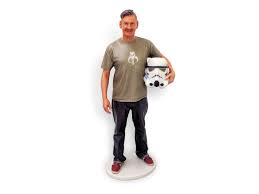
What materials are used for a custom figurine?
In addition to structural materials, the finishing layers applied to a figurine are equally important. Most figurines are hand-painted using acrylic paints since they offer long-lasting color without cracking or fading. Airbrushing allows artists to add shading and gradients, giving depth and realism to faces, clothing, and textures. Some makers add a protective coating or varnish that defends against UV light and moisture, extending the figurine’s lifespan even further. This finishing touch adds to the beauty of a custom figurine, ensuring that every detail remains vibrant.
There are also soft vinyl figurines, commonly found in designer collectible toys and pop-culture merchandise. Vinyl creates a smooth matte surface and a slightly flexible shape, making it resistant to accidental drops. Because vinyl molds are expensive to produce, this material is typically reserved for large production runs rather than single custom sculptures. However, a few companies specializing in digital modeling now offer vinyl-style custom products for fans who want a modern toy-like appearance.
Wood is a more rare but artistic option. Hand-carved wooden figurines evoke a rustic and timeless feel, often admired as home décor rather than character replicas. Wood figurines rely on the skill and time of a specialized craftsman, which makes them more expensive and less customizable than resin or 3D-printed models. Still, some people prefer the organic charm and natural texture that only wood can deliver.
Choosing the right material depends on what the figurine represents and how it will be used. A playful cartoon-style gift might be perfect in polymer clay, while a display-ready collectible might be better suited to resin. Someone ordering a luxury figurine might prefer a metallic finish, while another who values sustainability might select a PLA plastic print. Each material tells a different story and offers a unique tactile experience.
So what materials are used for a custom figurine? The answer spans a variety of options, from clay and resin to plastics, vinyl, metal, and even wood. Each material brings its own strengths, style, and cost range, allowing customers to design pieces that reflect their vision and personality. Whether commissioned as a heartfelt gift, commemorative display, or personal collectible, a figurine’s material plays a vital role in how it feels, how long it lasts, and how deeply it is appreciated.