enforce employee benefits during notice period
Do courts enforce employee benefits during notice period is an important question for employees who face termination or resignation and want to ensure they receive all entitlements. Understanding employee benefits during notice period is essential because the notice period is not only a time for transition but also a legally protected phase during which employees are entitled to specific compensations and perks. Courts have often been called upon to determine whether employers have met their obligations regarding benefits, and these rulings shape how organizations handle notice periods.
Employee benefits during notice period typically include salary, accrued leave, health insurance, pensions, and sometimes bonuses or other incentives. Courts generally enforce these benefits when there is a contractual obligation or statutory requirement. For example, if an employment contract guarantees payment of accrued vacation days, continuation of health coverage, or pension contributions during the notice period, courts have consistently ruled in favor of employees when employers fail to provide these benefits. This enforcement underscores the importance of recognizing Employee benefits during notice period as a legally protected entitlement rather than a discretionary provision.
Salary continuation is one of the most commonly enforced employee benefits during notice period. Courts frequently ensure that employees are paid for the entire duration of the notice period, whether they are required to work or receive payment in lieu of notice. Failure by an employer to provide the agreed-upon salary can result in legal action, with courts awarding compensation to the affected employee. Such rulings reinforce the principle that employee benefits during notice period are integral to fair employment practices and are not optional.
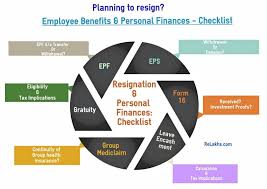
Do courts enforce employee benefits during notice period?
Health coverage is another area where courts often intervene. Many employment laws require that employers maintain health insurance and other welfare benefits during the notice period. When employees bring claims alleging loss of health coverage or other insurance benefits, courts review contracts, company policies, and relevant labor regulations to determine whether the employer has fulfilled its obligations. This ensures that employee benefits during notice period, including health plans, are treated as essential protections rather than perks that can be withheld.
Courts also examine retirement benefits, pensions, and bonus entitlements when disputes arise. If an employee has accrued pension contributions or has earned a performance bonus that falls within the notice period, courts have generally upheld the employee’s right to receive these benefits. This legal oversight emphasizes that employee benefits during notice period encompass a broad range of financial and non-financial compensations, all of which can be enforceable under the law.
However, enforcement often depends on clear documentation and communication. Courts rely on employment contracts, company policies, and statutory regulations to make determinations. Employees who can demonstrate the terms of their benefits and their entitlement during the notice period are more likely to succeed in claims. Employers, in turn, are incentivized to manage employee benefits during notice period transparently and according to legal requirements, reducing the risk of litigation.
In conclusion, courts do enforce employee benefits during notice period when legal obligations or contractual promises are not met. Salary, leave, health coverage, pensions, and bonuses are commonly enforced benefits that protect employees during this transitional phase. Awareness of legal rights and careful documentation ensures that employee benefits during notice period are preserved, providing both security for the employee and clarity for the employer.