conduct web application assessments
As organizations increasingly depend on web applications to deliver services, process transactions, and store sensitive information, regular security testing has become a critical part of maintaining a strong cybersecurity posture. One of the most frequently asked questions is, Who should conduct web application assessments? While automated tools can assist in identifying common vulnerabilities, a thorough web application vulnerability assessment should be performed by qualified cybersecurity professionals with expertise in web technologies, secure coding practices, and modern attack techniques. Experienced assessors can identify complex security issues, validate findings, and provide practical recommendations that improve the overall security of the application.
A web application vulnerability assessment requires a combination of technical knowledge and practical experience. Security professionals conducting the assessment should understand how web applications function, including client-server communication, authentication methods, session management, APIs, databases, and common programming frameworks. This knowledge enables assessors to evaluate security controls accurately and recognize vulnerabilities that may not be visible through automated scanning alone.
Cybersecurity specialists are often the most qualified individuals to perform a web application vulnerability assessment. These professionals typically have experience identifying security weaknesses, understanding attacker methodologies, and applying industry-recognized testing standards. Their expertise allows them to evaluate applications from an attacker’s perspective while maintaining a structured and ethical testing process. Skilled security analysts can distinguish between genuine vulnerabilities and false positives, ensuring organizations focus on addressing real security risks.
Many organizations rely on dedicated internal security teams to perform a web application vulnerability assessment. Internal security professionals already understand the organization’s infrastructure, application architecture, business processes, and security policies. Their familiarity with internal systems allows them to conduct assessments efficiently while working closely with developers and system administrators to resolve identified vulnerabilities. Internal teams can also schedule assessments more frequently as part of the organization’s ongoing security program.
External cybersecurity consultants are another excellent option for conducting a web application vulnerability assessment. Independent assessors provide an objective perspective because they are not directly involved in developing or maintaining the application. Their fresh viewpoint often helps uncover weaknesses that internal teams may overlook due to familiarity with the environment. External consultants also bring experience gained from assessing applications across multiple industries, allowing them to recognize emerging attack techniques and evolving security risks.
Organizations with limited internal cybersecurity resources frequently outsource their web application vulnerability assessment to specialized security firms. These firms employ experienced professionals who use established methodologies, advanced testing tools, and current threat intelligence to evaluate application security. Outsourcing assessments provides access to specialized expertise without requiring organizations to build and maintain large internal security teams. This approach is particularly valuable for small and medium-sized businesses that may not have dedicated cybersecurity personnel.
Application developers also play an important role in supporting a web application vulnerability assessment, although they should not be solely responsible for conducting it. Developers understand the application’s architecture, source code, and business logic, making them valuable contributors during remediation and verification. However, because developers may naturally focus on application functionality, involving independent security professionals helps ensure a more objective and comprehensive security evaluation.
Security engineers working within DevSecOps environments often conduct a web application vulnerability assessment as part of the software development lifecycle. By integrating security testing into continuous integration and continuous deployment pipelines, security engineers help identify vulnerabilities early in the development process. Automated scanning combined with expert review enables organizations to address security issues before applications are deployed into production, reducing both remediation costs and overall business risk.
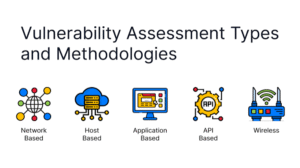
Who should conduct web application assessments?
A successful web application vulnerability assessment often involves collaboration between multiple teams rather than relying on a single individual. Security analysts identify vulnerabilities, developers implement fixes, system administrators verify infrastructure configurations, and management prioritizes remediation based on business risk. This collaborative approach ensures that security improvements are practical, effective, and aligned with organizational objectives.
Professional certifications can provide additional confidence when selecting individuals to conduct a web application vulnerability assessment. Many experienced security professionals hold industry-recognized certifications that demonstrate their knowledge of application security, ethical hacking, vulnerability assessment methodologies, and cybersecurity best practices. While certifications alone do not guarantee expertise, they often indicate a commitment to maintaining current technical knowledge and professional standards.
Experience with common web technologies is essential for anyone performing a web application vulnerability assessment. Assessors should understand programming languages, web servers, databases, cloud environments, APIs, authentication frameworks, and modern development practices. Familiarity with technologies such as JavaScript frameworks, content management systems, containerized applications, and cloud-native architectures enables assessors to identify vulnerabilities specific to the technologies being used by the organization.
Knowledge of industry security standards is another important qualification for professionals conducting a web application vulnerability assessment. Security assessors should be familiar with recognized frameworks and best practices that guide application security testing. Understanding common vulnerability categories, secure coding principles, risk assessment methodologies, and compliance requirements allows assessors to provide meaningful recommendations that improve both security and regulatory compliance.
Communication skills are often overlooked but remain essential during a web application vulnerability assessment. Assessors must clearly explain technical findings to audiences with varying levels of technical expertise. Developers need detailed remediation guidance, while managers require business-focused summaries that support decision-making and resource allocation. Effective communication ensures that identified vulnerabilities are understood, prioritized, and resolved efficiently across the organization.
Organizations should avoid relying exclusively on automated tools when conducting a web application vulnerability assessment. Although automated scanners quickly identify many known vulnerabilities, they cannot fully evaluate business logic flaws, complex authorization issues, or application-specific security weaknesses. Experienced professionals interpret scan results, perform manual validation, investigate unusual behaviors, and identify vulnerabilities that require human judgment. Combining automation with expert analysis produces more accurate and comprehensive assessment results.
Regular training and continuous learning are also important for professionals responsible for a web application vulnerability assessment. Cyber threats evolve rapidly, and new vulnerabilities emerge as technologies change. Security assessors should stay informed about newly discovered attack techniques, software vulnerabilities, secure development practices, and evolving regulatory requirements. Ongoing education enables them to adapt their testing methodologies and provide organizations with relevant, up-to-date security guidance.
Ultimately, the effectiveness of a web application vulnerability assessment depends on the expertise, experience, and methodology of the professionals performing it. Whether conducted by internal security teams, external consultants, specialized security firms, or DevSecOps engineers, assessments should always be carried out by individuals with strong technical knowledge and practical cybersecurity experience. By selecting qualified professionals and combining automated tools with thorough manual analysis, organizations can accurately identify vulnerabilities, strengthen their security posture, protect sensitive information, and maintain reliable web applications in an increasingly complex threat landscape.